
Is Knee Replacement 100% Successful?
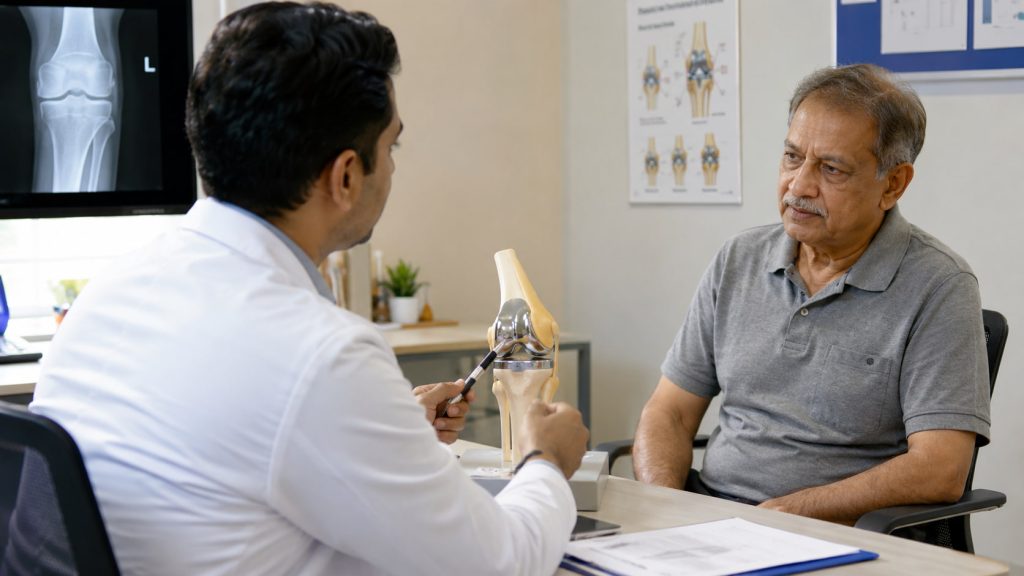
Knee replacement surgery is one of the most commonly performed orthopedic procedures worldwide. It is designed to relieve chronic knee pain, improve mobility, and help people return to everyday activities when other treatments no longer provide sufficient relief. However, many patients considering surgery ask the same important question: Is knee replacement 100% successful?
The short answer is no. No surgical procedure can guarantee a 100% success rate for every patient. However, knee replacement surgery has a high success rate, and most patients experience significant improvements in pain, movement, and quality of life after recovery.
Understanding Success in Knee Replacement Surgery
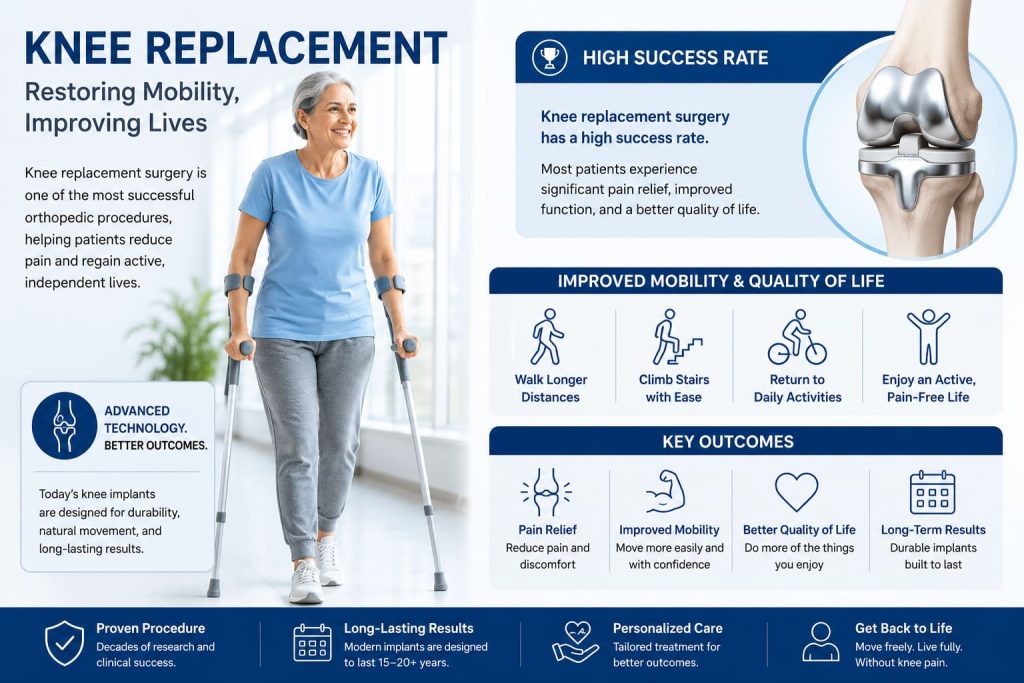
Success means different things to different patients. For some, success is being able to walk without pain. For others, it may involve returning to hobbies, climbing stairs comfortably, or maintaining an active lifestyle.
Orthopedic specialists generally consider knee replacement successful when the artificial joint functions properly, pain is significantly reduced, and the patient regains a good level of mobility. Long-term studies have consistently shown that most patients report substantial improvements in daily function and overall satisfaction following surgery.
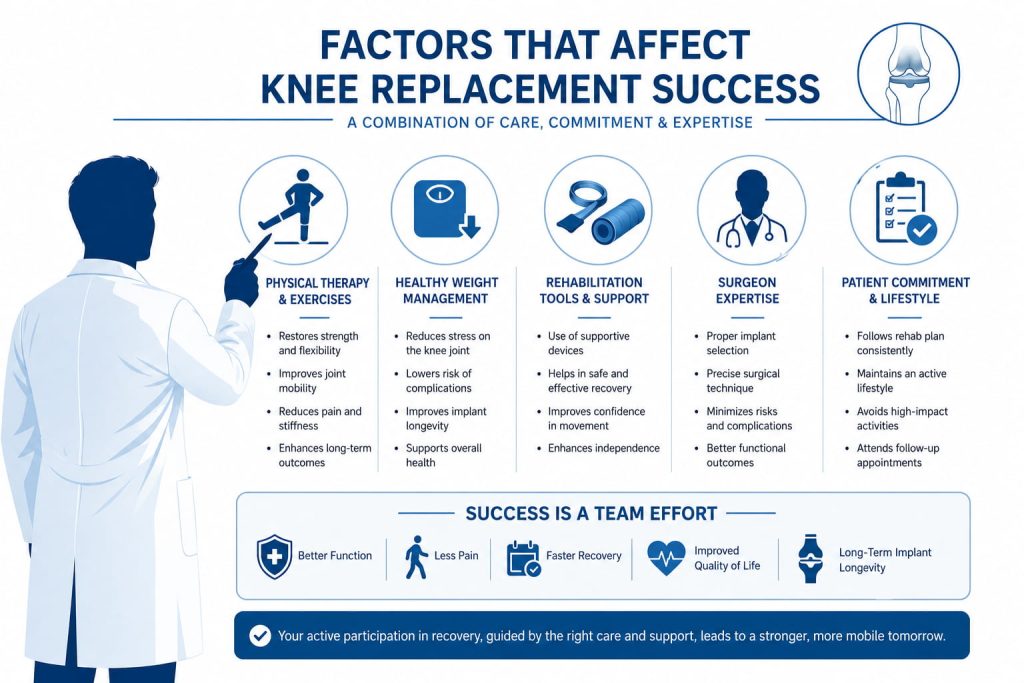
While success rates are encouraging, it is equally important to understand that every patient’s experience is unique. Factors such as age, overall health, weight, activity level, and adherence to rehabilitation can influence outcomes.
Why Some Patients Are More Satisfied Than Others
Although many patients achieve excellent results, a small percentage continue to experience discomfort, stiffness, or limitations after surgery. These concerns do not necessarily indicate that the procedure has failed, but they can affect overall satisfaction.
Patients often have questions about recovery challenges and ongoing symptoms. Understanding the biggest complaint after knee replacement can help set realistic expectations before surgery and reduce anxiety about the recovery process.
Open communication with an orthopedic surgeon before the procedure is essential. Discussing goals, limitations, and expected outcomes helps ensure that patients have a clear understanding of what surgery can realistically achieve.
Factors That Influence the Success Rate
Several factors contribute to the success of knee replacement surgery.
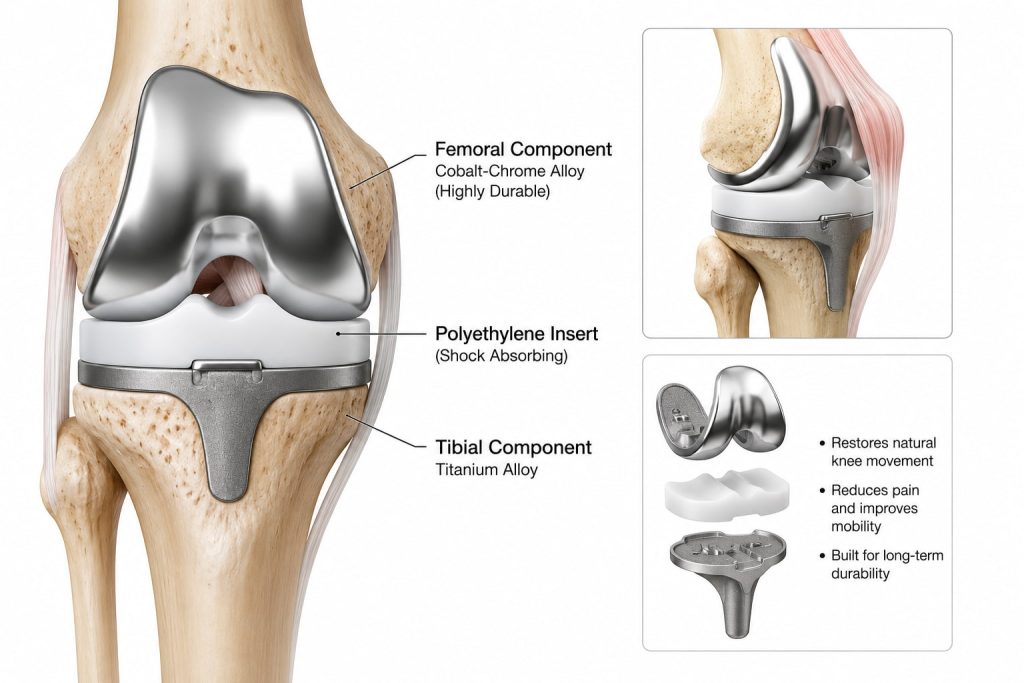
Patient Health
Patients who manage chronic conditions such as diabetes, hypertension, and obesity often experience smoother recoveries. Good overall health reduces the risk of complications and supports better healing.
Surgical Technique
Advancements in surgical methods, implant design, and precision technology have improved outcomes significantly. Experienced orthopedic surgeons can tailor treatment plans to each patient’s condition and anatomy.
Rehabilitation and Physical Therapy
Recovery does not end after surgery. Physical therapy plays a critical role in restoring strength, flexibility, and range of motion. Patients who actively participate in rehabilitation programs typically achieve better long-term results.
Timing of Surgery
Choosing the right time for surgery can also affect outcomes. Many patients wonder which age is best for knee replacement because age, activity level, and joint damage can all influence treatment decisions.
How Long Do the Results Last?
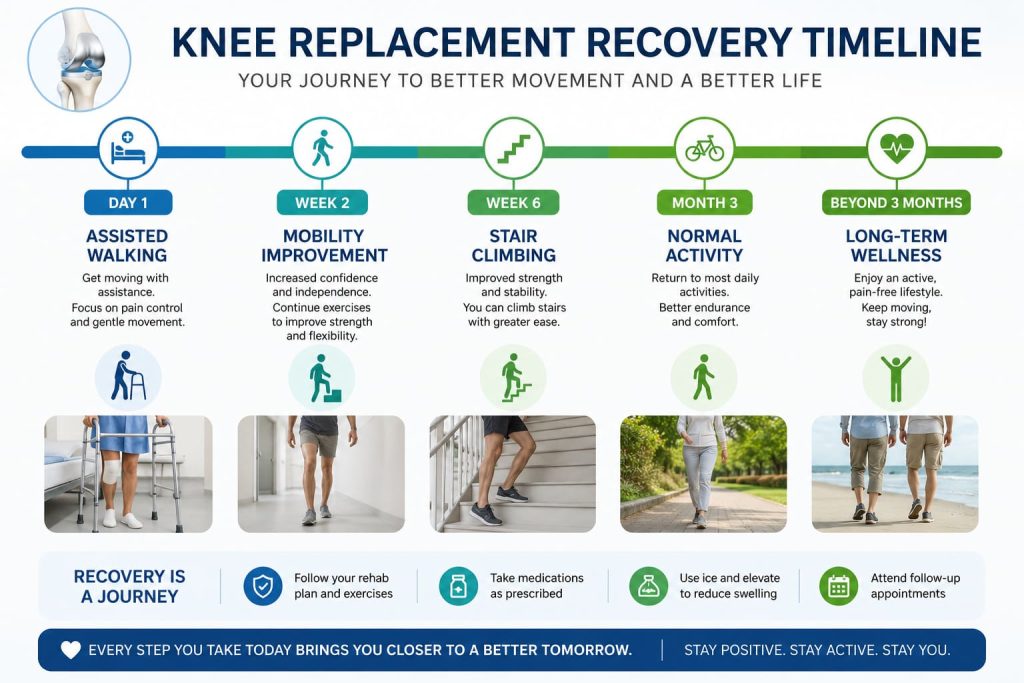
One of the reasons knee replacement surgery is considered highly successful is its durability. Modern implants are designed to withstand years of daily use, allowing patients to enjoy lasting pain relief and improved function.
However, implant longevity can vary depending on factors such as activity level, body weight, and implant materials. Patients who want to maximize the lifespan of their new joint often ask which knee replacement lasts the longest when evaluating treatment options.
Regular follow-up appointments and maintaining a healthy lifestyle can help preserve the function of the replacement joint for many years.
Can Both Knees Be Replaced at the Same Time?
Some patients suffer from severe arthritis in both knees and may consider replacing both joints during a single surgical session. This approach can offer the advantage of one recovery period instead of two separate surgeries.
However, simultaneous bilateral knee replacement is not suitable for everyone. The decision depends on age, overall health, and individual risk factors. Patients considering this option should learn more about whether both knees can be replaced at once before making a decision.
An orthopedic evaluation helps determine the safest and most effective treatment approach for each individual.
Are There Alternatives to Knee Replacement?
Not every patient requires immediate knee replacement surgery. Depending on the severity of joint damage, alternatives such as physical therapy, medications, injections, weight management, or less invasive procedures may provide relief.
For patients seeking non-surgical or joint-preserving solutions, understanding the newest alternatives to knee replacement can help identify treatments that may delay or potentially reduce the need for surgery.
The best treatment option depends on the extent of cartilage damage, pain severity, lifestyle goals, and overall health status.
When Should You Consider Knee Replacement?
Knee replacement may be worth considering when chronic knee pain begins to interfere with everyday activities such as walking, standing, climbing stairs, or sleeping. If conservative treatments no longer provide adequate relief, surgery may offer a long-term solution.
A comprehensive orthopedic assessment can determine whether knee replacement is the most appropriate option based on symptoms, imaging results, and functional limitations.
Final Thoughts
Knee replacement surgery is not 100% successful for every patient, but it remains one of the most effective procedures for relieving severe knee pain and restoring mobility. Most patients experience meaningful improvements in their quality of life, especially when surgery is performed at the right time and followed by a structured rehabilitation program.
Understanding the factors that influence outcomes, setting realistic expectations, and working closely with an experienced orthopedic team can significantly improve the likelihood of a successful result.
Frequently Asked Questions
What percentage of knee replacements are successful?
Studies show that approximately 90–95% of knee replacements successfully relieve pain and improve function for most patients.
How many years does a knee replacement usually last?
Around 90% of modern knee implants are still functioning well after 15 years, while many can last 20 years or longer.
How soon can you walk after knee replacement surgery?
Most patients begin standing and walking with assistance within 24 hours of surgery, depending on their overall health and recovery progress.
How long does swelling last after knee replacement?
Mild swelling may continue for 3–6 months, although it typically decreases significantly during the first few weeks after surgery.
What is the average hospital stay for knee replacement?
Many patients stay in the hospital for 1–3 days, though recovery plans vary based on individual needs and medical conditions.
Can you climb stairs after a knee replacement?
Yes. Most patients can safely climb stairs within 4–6 weeks after surgery with proper rehabilitation and guidance from their healthcare team.
How much knee bending is considered normal after surgery?
Many patients achieve 110–120 degrees of knee flexion, which is generally enough for walking, sitting, and most daily activities.
What is the risk of infection after knee replacement?
The risk of infection is relatively low, occurring in approximately 1–2% of knee replacement procedures.
How long should you wait before driving after knee replacement?
Many patients can return to driving within 4–6 weeks, provided they can safely control the vehicle and are no longer taking certain pain medications.
Can a knee replacement wear out over time?
Yes. Although modern implants are highly durable, wear can occur over many years, particularly in younger or highly active individuals.