Common Orthopedic Problems in Children: Signs Parents Should Never Ignore
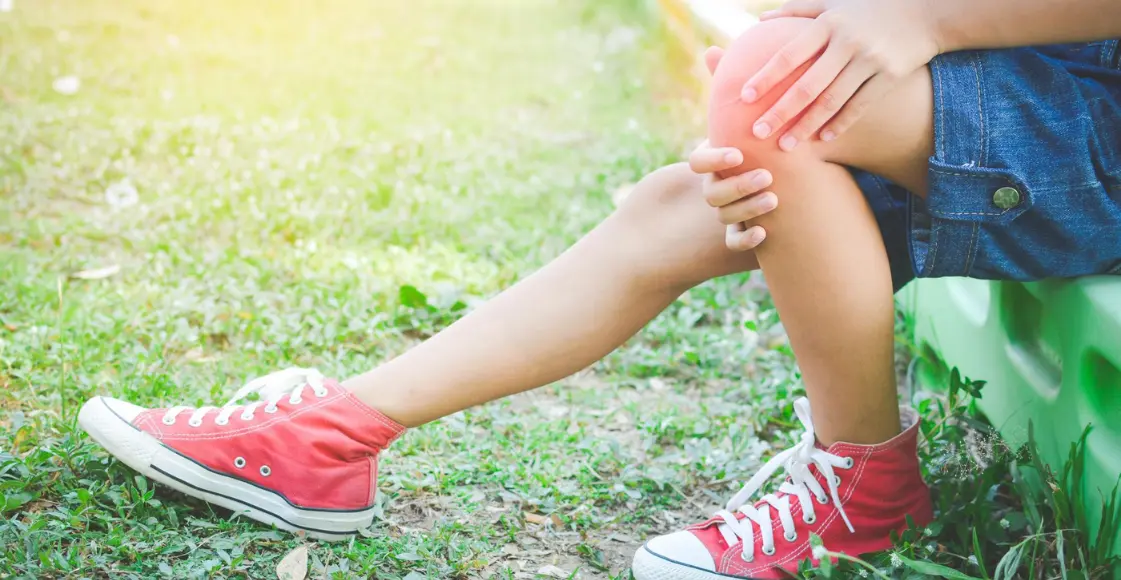
Children grow and develop rapidly, and their bones, joints, and muscles change as they get older. During this period, parents may notice changes in their child’s walking style, posture, leg shape or physical activities. Some changes are a normal part of growth, while others may indicate an orthopedic condition that needs medical attention. Recognising the warning signs early can help parents seek appropriate treatment and support healthy development. From flat feet and knock knees to clubfoot, scoliosis and sports injuries, childhood orthopedic problems can affect movement and everyday activities if not assessed properly. This blog explains common orthopedic problems in children, the signs parents should watch for, and when to consult an orthopedic specialist.
What Are Orthopedic Problems in Children?
Orthopedic problems affect the bones, joints, muscles, ligaments, and other parts of the musculoskeletal system. In children, these conditions may be present from birth, develop during growth or occur because of an injury. Some conditions improve naturally as children grow, while others require monitoring, physiotherapy, braces or surgery. The right approach depends on the child’s age, symptoms, diagnosis and overall development.
Common Orthopedic Problems in Children
1. Flat Feet
Flat feet occur when the arches on the inside of the feet are not clearly visible. This is common in young children because their feet are still developing. In many cases, the arches become more noticeable as they grow. However, parents should pay attention if a child experiences foot pain, frequent tiredness while walking, stiffness or difficulty participating in physical activities. A medical assessment can help determine whether treatment is necessary.
2. Knock Knees and Bow Legs
Knock knees occur when the knees angle inward and come closer together while the ankles remain apart. Bow legs cause the legs to curve outward, leaving a gap between the knees when the feet are together. These variations can be normal at certain stages of childhood. However, parents should seek medical advice if the leg shape is severe, affects only one leg, becomes more pronounced with age or causes pain or difficulty walking. An orthopedic specialist can assess the child’s leg alignment and decide whether observation or treatment is required.
3. Clubfoot
Clubfoot is a condition present at birth in which one or both feet turn inward and downward. The foot may appear twisted, making it difficult to place it in a normal position. Early treatment is important to improve foot position and function. Treatment commonly involves gentle stretching and a series of casts, sometimes followed by a minor procedure and the use of special braces to help maintain correction. Parents should arrange an early assessment if they notice this condition in a newborn.
4. Developmental Dysplasia of the Hip (DDH)
Developmental dysplasia of the hip occurs when the hip joint does not develop or fit together properly. It may be present at birth or become noticeable during early childhood. Possible signs include uneven skin folds around the thighs, differences in leg length, limited movement of one hip or an unusual walking pattern in older children. Early diagnosis can improve treatment outcomes. Depending on the child’s age and the severity of the condition, treatment may involve a harness, brace or surgery.
5. Scoliosis
Scoliosis is a condition in which the spine curves sideways. It may develop during childhood or adolescence and is not always associated with pain. Parents may notice uneven shoulders, one shoulder blade appearing more prominent, uneven waistlines, or one hip sitting higher than the other. If these signs appear, an orthopedic specialist can examine the child’s posture and determine whether further tests are needed. Treatment depends on the degree of spinal curvature, the child’s age and how much growth remains.
6. Growing Pains
Some children experience aching or discomfort in their legs, particularly in the evening or at night. These symptoms are often described as growing pains, although the discomfort is not necessarily caused by bones growing. Typical growing pains do not usually cause persistent limping, joint swelling or ongoing movement difficulties. Pain that occurs mainly in one joint, continues during the day, or is accompanied by fever, swelling or difficulty walking should not automatically be considered growing pains. Parents should seek medical advice if the pain is persistent, severe or unusual.
7. Sports Injuries and Fractures
Children who participate in sports, running, cycling, or outdoor play may experience sprains, strains, fractures, and other injuries. Since children’s bones are still developing, some injuries can affect growth areas near the ends of bones. Warning signs include pain after a fall or collision, swelling, bruising, difficulty moving a limb, or an inability to put weight on the affected leg. Avoid forcing the injured area to move. A medical assessment can help identify the injury and determine whether rest, support, casting, or another treatment is needed.
8. Limping and Walking Difficulties
A child may limp because of an injury, joint problem, muscle condition, or another underlying medical issue. A new or persistent change in walking should not be ignored, especially if the child experiences pain or avoids putting weight on one leg. Seek urgent medical assessment if a child suddenly cannot walk or bear weight, particularly when this occurs with severe pain, fever, or a swollen joint.
Warning Signs Parents Should Never Ignore
Although some changes are part of normal development, certain symptoms require medical attention.
Parents should watch for:
- Persistent bone, joint, or muscle pain.
- Swelling, redness, or warmth around a joint.
- Frequent falls or difficulty walking.
- Noticeable changes in posture or limb alignment.
- One leg appearing shorter than the other.
- Reduced movement or stiffness in a joint.
- Pain that repeatedly interrupts sleep or limits daily activities.
- Difficulty participating in activities that were previously comfortable.
Sudden inability to walk or bear weight, especially with fever, severe pain, or a swollen joint, needs urgent medical assessment. Parents should not wait several days to see whether these symptoms improve.
When Should Parents Consult an Orthopedic Specialist?
Parents should consider consulting an orthopedic specialist when a child has persistent pain, unusual limb alignment, difficulty walking, restricted joint movement, or a suspected bone or joint injury. An assessment may also be helpful when a condition present at birth, such as clubfoot or a hip development problem, needs evaluation and treatment. Families looking for an Orthopedic Hospital in Vadodara can seek professional guidance to understand the child’s condition and available treatment options. The appropriate specialist and treatment plan depend on the child’s symptoms and diagnosis.
How Are Orthopedic Problems in Children Diagnosed?
Diagnosis usually begins with a discussion of the child’s symptoms, medical history, growth, and physical activities. The specialist may examine posture, walking pattern, joint movement, muscle strength, and the alignment of the legs or spine. Depending on the suspected condition, additional tests such as X-rays or ultrasound may be recommended. Not every child needs imaging. The aim is to identify the cause of the problem and decide whether the child needs treatment, regular monitoring, or further investigation.
Treatment Options for Childhood Orthopedic Conditions
Treatment varies according to the condition, the child’s age, and the severity of symptoms. Common approaches include:
- Observation: Some developmental variations improve naturally and only need regular monitoring.
- Physiotherapy: Exercises may help improve strength, flexibility, balance, and movement.
- Braces or casts: These may help manage selected conditions, including certain cases of clubfoot or hip dysplasia.
- Medication: A doctor may recommend suitable medication to manage pain when appropriate.
- Surgery: Some severe deformities, complex conditions, or injuries may require surgical treatment.
Parents should avoid using braces, exercises, or medicines without appropriate medical advice. Early evaluation can help determine which approach is suitable for the child.
How Can Parents Support Healthy Bone and Joint Development?
Parents can encourage healthy physical development through simple daily habits:
- Provide a balanced diet containing calcium, protein, and other essential nutrients.
- Encourage regular age-appropriate physical activity and outdoor play.
- Ensure children use suitable protective equipment during sports.
- Allow adequate rest and recovery after physical activity.
- Avoid ignoring persistent pain or changes in walking.
- Attend recommended follow-up appointments for diagnosed conditions.
These habits support general health, but they do not replace medical assessment when symptoms are present.
Conclusion
Children’s bones and joints change rapidly as they grow, and many minor variations are a normal part of development. However, conditions such as clubfoot, hip dysplasia, scoliosis and untreated injuries can affect a child’s movement and development if left unaddressed. Parents should pay attention to signs such as persistent pain, limping, uneven posture or visible deformities and seek timely medical advice. For parents seeking expert orthopedic care for their children in Vadodara, Welcare Hospital offers professional guidance for bone and joint concerns. Consulting the orthopedic team at Welcare Hospital can help parents understand their child’s condition, explore suitable treatment options and take the right steps towards healthy growth and mobility.
Read More: Robotic Knee Surgery vs Traditional Surgery – Understanding the Differences
Frequently Asked Questions
1. What are the most common orthopedic problems in children?
Common conditions include flat feet, knock knees, bow legs, clubfoot, developmental dysplasia of the hip, scoliosis, sports injuries and fractures.
2. Are knock knees and flat feet normal in children?
They can be normal during certain stages of growth. However, severe changes, pain, stiffness, or difficulty walking should be assessed by a medical professional.
3. When should I take my child to an orthopedic specialist?
Consult a specialist if your child has persistent pain, repeated falls, unusual posture, restricted joint movement or a noticeable change in walking. Sudden inability to bear weight requires urgent assessment.
4. Can orthopedic problems in children be treated without surgery?
Yes. Depending on the condition, treatment may include observation, physiotherapy, braces, casts or other non-surgical approaches. Some conditions may require surgery.
5. Why is early diagnosis important for childhood orthopedic conditions?
Early diagnosis can help identify problems during growth, guide appropriate treatment and reduce the risk of certain conditions affecting movement or development.