
The Importance of Early Diagnosis in Orthopedic Health: A Guide by Dr. Kshitij Mody
Orthopedic health is often overlooked until pain becomes severe or mobility is significantly reduced. Many people assume that joint stiffness, back pain, or recurring injuries are just part of aging or a result of lifestyle stress. However, the reality is that early diagnosis in orthopedic health can be the key to preventing long-term complications, improving recovery outcomes, and maintaining an active lifestyle.
In this comprehensive guide, we explore why early detection matters, the most common orthopedic conditions, modern diagnostic techniques, and preventive strategies, all through the expert lens of Dr. Kshitij Mody, a leading orthopedic surgeon in Vadodara.
Why Early Diagnosis Matters
The phrase “prevention is better than cure” holds especially true in orthopedics. Waiting until pain becomes unbearable can limit treatment options and complicate recovery. Early diagnosis offers several advantages:
- Slows Disease Progression: Conditions like arthritis, osteoporosis, and degenerative disc disease worsen over time. Detecting them early allows for interventions that slow progression.
- Less Invasive Treatments: Minor issues can often be managed with physiotherapy, lifestyle changes, or minimally invasive procedures rather than major surgeries.
- Better Recovery Outcomes: Early interventions typically result in shorter recovery periods and less pain post-treatment.
- Prevention of Permanent Damage: Timely diagnosis can prevent irreversible damage to bones, joints, and surrounding tissues.
According to Dr. Kshitij Mody, orthopedic specialist in Vadodara, many patients ignore early warning signs, which can transform a simple knee or hip problem into a complex joint replacement case.
Common Orthopedic Conditions Detected Early
Early diagnosis is critical for managing a wide range of orthopedic issues. Some of the most common conditions include:
- Osteoarthritis
Osteoarthritis is a degenerative joint disease that primarily affects the knees, hips, and hands. Early symptoms include joint stiffness, mild swelling, and discomfort during activity. Detecting osteoarthritis early can help patients:
- Modify physical activity to reduce joint stress
- Start physiotherapy to strengthen supporting muscles
- Use medications or injections to manage inflammation
- Osteoporosis
Often called the “silent disease,” osteoporosis weakens bones and increases fracture risk. Early diagnosis through bone density tests allows patients to:
- Adopt calcium and vitamin D-rich diets
- Begin weight-bearing exercises to strengthen bones
- Consider medications to prevent bone loss
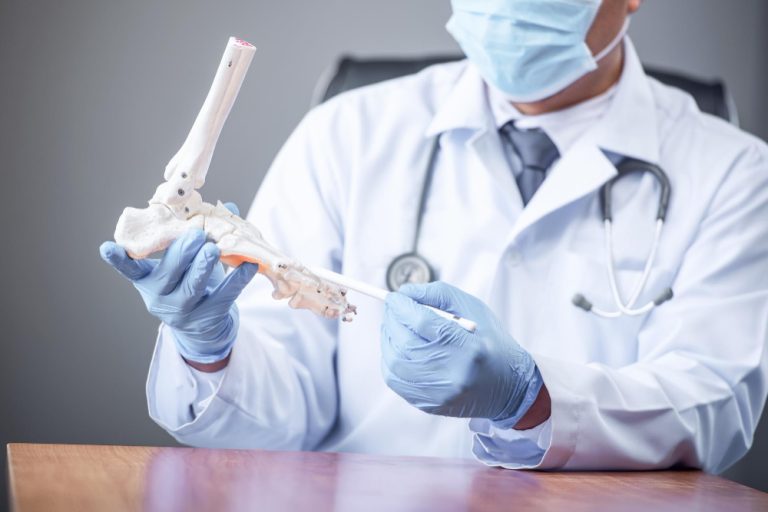
- Ligament and Tendon Injuries
Sports and lifestyle-related injuries, especially in the knees, shoulders, and ankles, can worsen if left untreated. Early diagnosis by an arthroscopy specialist in Vadodara like Dr. Kshitij Mody ensures precise treatment and faster recovery.
- Spinal Disorders
Back pain is one of the most common orthopedic complaints. Conditions like herniated discs, spinal stenosis, or scoliosis can be managed effectively if detected early, often avoiding surgery.
- Pediatric Orthopedic Issues
Children with growth-related bone problems or congenital deformities benefit immensely from early detection. Corrective measures taken during childhood can prevent long-term complications and improve quality of life.
Signs You Should Seek an Orthopedic Evaluation
Recognizing symptoms early is the first step in orthopedic health. According to Dr. Kshitij Mody, orthopedic surgeon in Vadodara, patients should not ignore the following signs:
- Persistent joint or bone pain
- Swelling or inflammation around joints
- Difficulty in movement or reduced range of motion
- Frequent joint locking or instability
- Bone fractures from minor injuries
- Numbness or tingling in limbs
Even mild discomfort should prompt a consultation, as early interventions are far more effective than waiting for severe symptoms.
Diagnostic Techniques in Orthopedic Health
Modern orthopedic medicine offers a variety of diagnostic tools that make early detection possible:
- X-Rays
X-rays are the first line of investigation for many joint and bone issues. They help detect fractures, joint space narrowing, and early signs of arthritis.
- MRI (Magnetic Resonance Imaging)
MRIs provide detailed images of soft tissues, cartilage, and ligaments. They are especially useful for detecting tendon or ligament injuries, spinal issues, and cartilage damage.
- CT Scans
CT scans provide detailed bone images and are often used to assess complex fractures or tumors.
- Ultrasound
Used for soft tissue evaluation, ultrasound helps in diagnosing tendon injuries, bursitis, and inflammation.
- Bone Density Tests
These tests are essential for detecting osteoporosis and assessing fracture risk.
- Arthroscopy
Arthroscopy surgery in Vadodara is both a diagnostic and treatment tool. Small cameras inserted into the joint allow surgeons like Dr. Kshitij Mody, arthroscopy specialist in Vadodara, to accurately assess joint damage and even perform repairs during the same procedure.
Preventive Strategies for Maintaining Orthopedic Health
While early diagnosis is crucial, proactive measures can reduce the risk of orthopedic problems:
- Regular Exercise: Weight-bearing and strength-training exercises help maintain bone density and joint mobility.
- Healthy Diet: Adequate intake of calcium, vitamin D, and protein supports bone health.
- Maintain Healthy Weight: Excess weight puts stress on joints, particularly knees and hips.
- Ergonomics: Proper posture and workplace ergonomics prevent back and neck problems.
- Protective Gear: Athletes and physically active individuals should use appropriate protective equipment to avoid injuries.
- Routine Check-Ups: Regular visits to an orthopedic hospital in Vadodara ensure any issues are caught early.
The Role of Dr. Kshitij Mody in Early Orthopedic Care

At Welcare Orthopedic Hospital in Vadodara, Dr. Kshitij Mody emphasizes a patient-centered approach to early diagnosis. His approach includes:
- Detailed evaluation of symptoms
- Use of advanced imaging and diagnostic tools
- Personalized treatment plans tailored to individual needs
- Guidance on preventive care and rehabilitation
Patients under Dr. Mody’s care often experience faster recovery, reduced pain, and better long-term outcomes, highlighting the importance of consulting an experienced orthopedic surgeon in Vadodara.
How Technology is Transforming Early Diagnosis
Advances in technology have revolutionized orthopedic care:
- AI and Machine Learning: Predict risks of fractures and joint degeneration.
- Wearable Devices: Track joint movement and detect early abnormalities.
- 3D Imaging: Helps in planning surgeries with pinpoint accuracy.
- Telemedicine: Enables early consultations without traveling long distances.
These innovations ensure that orthopedic issues can be identified and managed before they become severe.
Frequently Asked Questions
Why is early diagnosis in orthopedic health important?
Early diagnosis allows for less invasive treatments, faster recovery, and prevention of permanent damage.
How often should I visit an orthopedic specialist?
Routine check-ups are recommended annually or sooner if you experience pain, swelling, or limited mobility.
Who is the best orthopedic surgeon in Vadodara for early diagnosis?
Dr. Kshitij Mody at Welcare Orthopedic Hospital in Vadodara is highly experienced in early detection and treatment of orthopedic conditions.
Can children benefit from early orthopedic evaluation?
Absolutely! Detecting growth-related bone issues or congenital deformities early can prevent lifelong complications.
What are the most common diagnostic tools in orthopedics?
X-rays, MRI, CT scans, ultrasound, bone density tests, and arthroscopy are widely used for accurate diagnosis.
Does early diagnosis prevent surgeries?
In many cases, yes. Timely interventions like physiotherapy, lifestyle changes, or minimally invasive procedures can often reduce the need for major surgery.
Conclusion
Orthopedic health is essential for maintaining mobility, independence, and quality of life. Ignoring early signs of pain or discomfort can lead to complex issues, longer recovery periods, and limited treatment options.
Through early diagnosis, state-of-the-art diagnostics, and personalized care, patients can prevent serious complications, recover faster, and enjoy a more active lifestyle. Dr. Kshitij Mody, an orthopedic surgeon in Vadodara at Welcare Orthopedic Hospital, continues to advocate for proactive orthopedic care, emphasizing the importance of early detection, patient education, and innovative treatment methods.
If you are experiencing joint pain, back discomfort, or any mobility issues, consult an orthopedic specialist in Vadodara. Early action today can ensure a healthier, pain-free tomorrow.